When you’re planning a trip to Falls Creek in winter, safety is just as important as excitement. The alpine environment is stunning, but it also brings fast-changing weather, icy paths, deep snow, and unique village conditions that catch many first-timers off guard.
Diana Alpine Lodge has helped families, solo travellers, couples, and large groups settle into our accommodation year after year, and we’ve seen how a few well-prepared choices can turn a good holiday into a great one.
Whether you’re here for skiing and snowboarding, to explore the Bogong High Plains, or simply enjoy some relaxing time in Victoria’s spectacular high country, this guide will give you the confidence to navigate your stay safely, comfortably, and with the kind of ease that lets you truly enjoy everything Falls Creek has to offer.
1. Know the Snow, Weather & Visibility Before You Head Out
The weather at the top of the mountain can be completely different from what you see from your lodge window. Before heading out, take a moment to check the latest conditions through the Falls Creek Snow Report or the Falls Creek App. It’s accurate, updated regularly, and gives you live information on snowfall, visibility, wind, and open terrain.
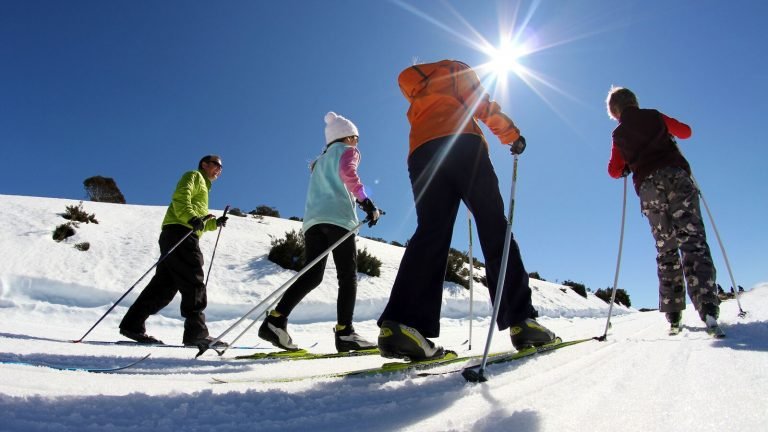
Keeping an eye on snow conditions is especially helpful if you’re planning cross-country skiing, exploring new off-piste terrain, or visiting areas like Sun Valley or the Village Bowl.
- Families: Aim for the warmest part of the day, especially with young kids. Pack spare gloves, trust us, they will get wet.
- Solo travellers: Always tell someone your general return time, especially if you enjoy late-afternoon skiing when visibility can drop fast.
- Groups: Agree on a communication plan, such as group chats, meeting points, or daily check-ins.
Winter conditions change throughout the season, and this snow guide breaks down what the mountain looks like each month.
2. Dress Smarter, Stay Warmer: Layering Done Right
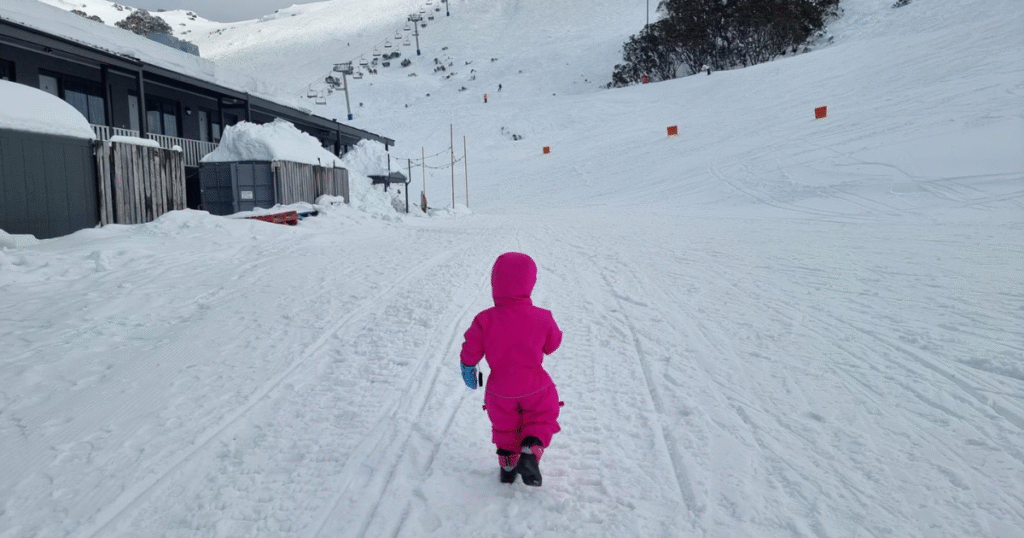
Layering is more than a packing tip. It’s one of the easiest ways to stay safe in cold conditions. Start with thermals, add an insulating mid-layer, and finish with a waterproof, windproof outer shell.
Don’t underestimate the value of:
- Waterproof gloves
- Neck warmers
- Goggles for visibility
- Helmets for safety
- Dry socks (bring spares!)
If you plan to grab some gear from Falls Creek Sports or need to hire extra layers, do it early so you’re prepared before hitting the slopes, rails, or jumps.
Families with young children: Label every item, as kids mix up gloves faster than you’d expect.
Couples & groups: Do a “gear check” before leaving the lodge, including goggles, helmet, lift pass, phone, and map. A two-minute check saves a world of frustration (and cold hands) later and helps your whole family enjoy the day with less stress.
3. Know Your Ability, and Ski Within It
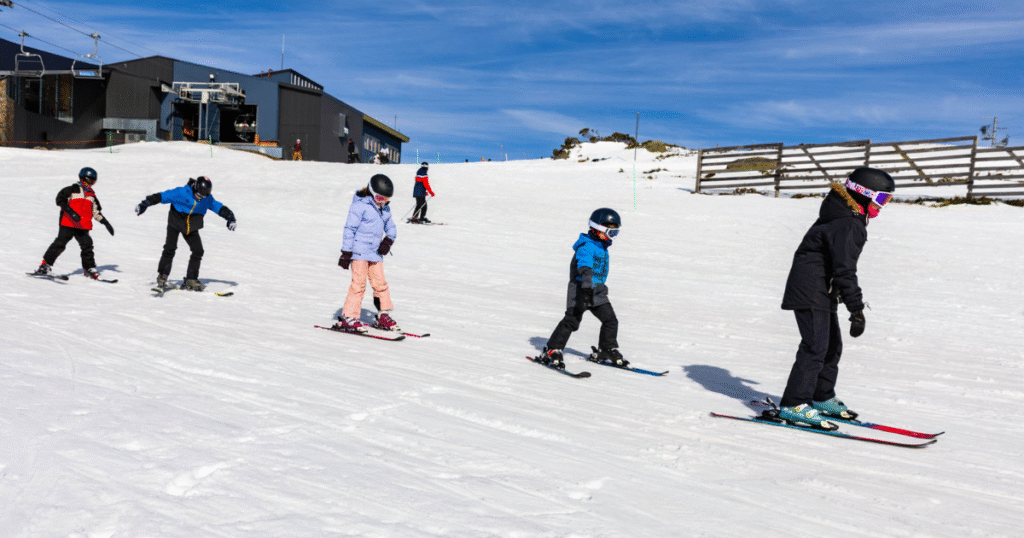
Falls Creek offers a great mix of terrain for all skill levels. Whether you’re practising in Slalom Plaza, exploring terrain parks, or heading out on snowshoeing tours around the national park, choose slopes and activities that match your confidence and experience. Cross-country trails across the Bogong High Plains are beautiful, but they require awareness of changing weather and visibility conditions.
- Green runs: Best for beginners and cautious skiers
- Blue runs: For intermediates building skill
- Black runs: For advanced skiers only
Kids: Ski school is one of the safest, most helpful options. Snowsports School teaches mountain awareness, slope etiquette, and safe habits, and it keeps learning fun.
Groups: Stick together or agree on checkpoints.
Solo travellers: Start in high-traffic areas before progressing.
Confidence grows with practice. There’s no need to push beyond your ability, even when exploring new terrain that looks tempting.
4. Move Safely Around the Village (Especially in Snow & Ice)
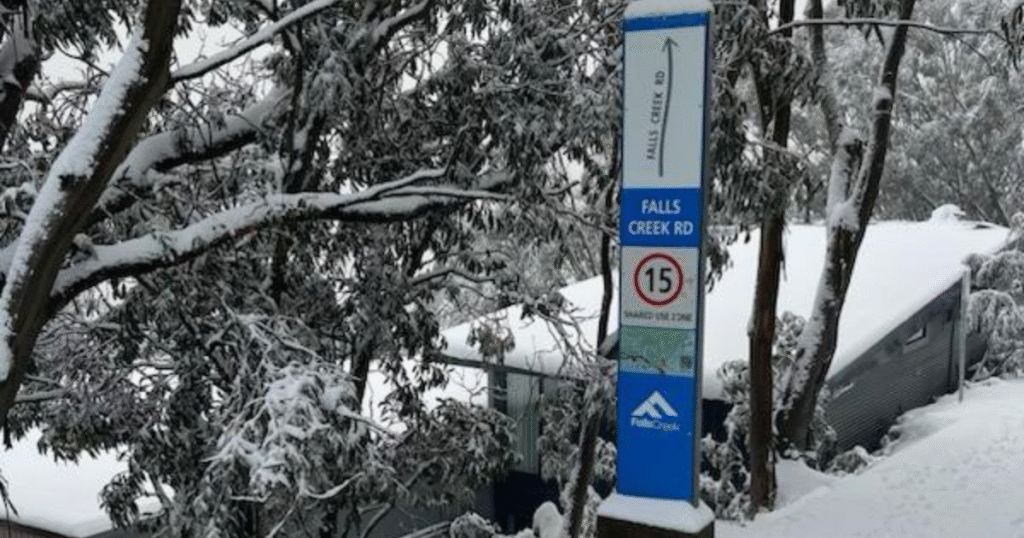
The village is beautiful but slippery in peak winter. Ice forms quickly, particularly in shaded areas and evenings. When you move between places like Slalom Plaza, the Village Bowl, and the shuttle stops, take your time. The whole area comes alive on Wednesdays and Saturdays with night skiing and the Village Bowl night show, so expect higher foot traffic during these times.
To stay safe:
- Walk slowly and keep your hands free where possible.
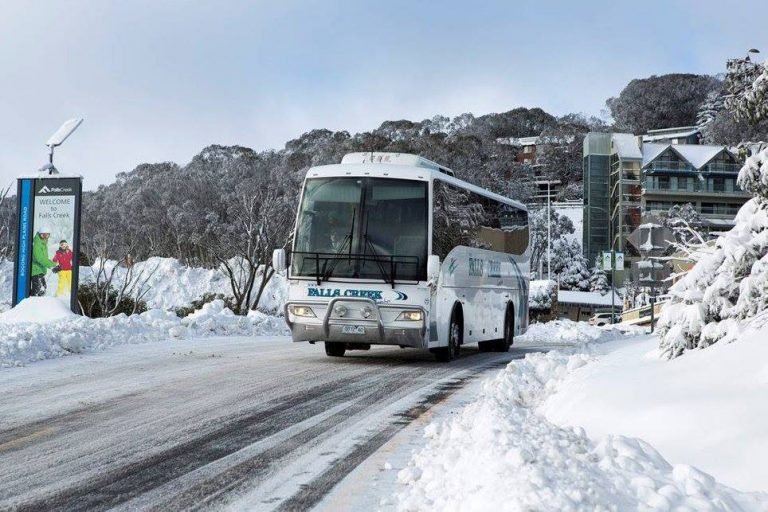
- Use the free village shuttles (operating from 8 AM to 5:30 PM), especially if you’re carrying skis or snowboards after a long day. We’re only 50 metres from the nearest stop.
- Wear non-slip winter boots with solid tread.
- Avoid wheeled prams; sleds or carriers work better on snow.
Families: Oversnow roads are closed to cars, so expect your kids to be walking on compacted snow. Teach them to stay aware of oversnow vehicles and sleds.
Solo travellers: Stick to well-lit paths at night and keep your phone charged.
Planning your trip? This quick list of common mistakes can help you avoid issues before you even arrive.
5. Getting to Your Accommodation Safely
In peak winter, regular vehicles can’t drive into the village due to snow. Instead, the Husky oversnow vehicles handle transfers from the Accommodation Transfer Terminal. Just note that transfers can be busy during peak times, so plan ahead and expect a small wait.
Since Diana Alpine Lodge is 180 metres from the terminal, many guests choose to walk, especially if they’ve just come from Mt Beauty via Park & Ride.
However:
- If arriving with young children, heavy bags, or in poor conditions, take the Husky.
- Follow staff instructions carefully and keep kids close.
- Never step behind or around oversnow vehicles unless directed.
Parking attendants at the resort entrance will guide you to the unloading zones and long-term parking areas.
If you’re weighing up where to stay in Falls Creek, here’s a full breakdown of accommodation styles, locations, and winter access points.
6. Stay Safe With Your Equipment
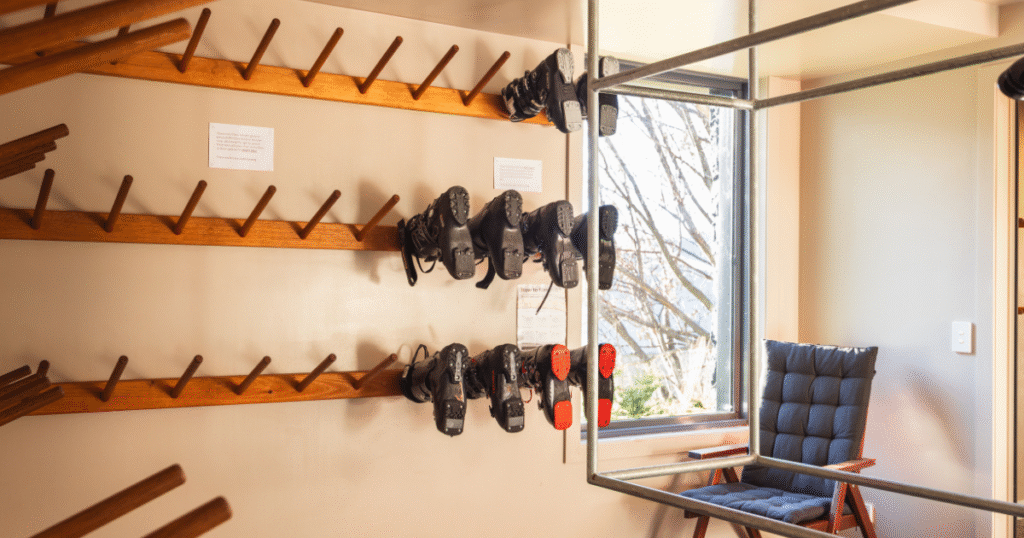
Good equipment is essential for safe skiing or snowboarding.
- Ensure boots fit snugly.
- Have your bindings checked by a professional.
- Store wet gear in your lodge’s drying room, never on heaters.
- Keep equipment organised, especially in groups, to avoid mix-ups.
Dry gear keeps you warm. Well-fitted gear keeps you safe. Both matter.
7. Look After Your Health (Indoors & Outdoors)
A full day in the snow can be physically demanding, even for experienced skiers. Here are some notes to consider:
- Hydration: Alpine air is dry; dehydration happens faster than you’d think.
- Food: Eat enough to fuel your body, as skiing burns serious energy.
- Rest: Fatigue can increase the risk of falls. Take breaks, especially with kids.
- Ventilation: Lodge rooms should stay warm but ventilated; running heaters non-stop can cause headaches.
- Parents: Keep an eye on little ones for signs of fatigue or a cold. Kids often push past their limits when they’re excited.
8. Emergency Situations: What You Need to Know
This is one of the most important parts of your Falls Creek winter adventure: knowing what to do if something goes wrong.
Falls Creek Ski Patrol
Contact 5758 3502
Operates from 8:00 AM to 5:30 PM during lift operating days.
If someone is injured:
- Create a safe zone.
- Mark the site using crossed skis or an upside-down snowboard.
- Call Ski Patrol or ask a lift operator to call on your behalf.
- Stay with the person until help arrives.
After-hours emergencies: Call 000 and request ambulance assistance.
Teach older kids how to identify Ski Patrol and what to do if they get lost. It’s also helpful for them to know key areas, such as Slalom Plaza and the Village Bowl, so they have familiar landmarks.
9. Safe Arrival & Travel Tips
Getting to Falls Creek safely is just as important as being safe on the slopes.
- Resort Entry: Mandatory for all vehicles; buy online before arrival.
- Snow chains: Carry them during the declared snow season.
- Daylight arrival: Safer and easier, especially for first-timers.
- Mount Beauty Park & Ride: A stress-free option for guests who prefer not to drive to the village.
Families with kids should pack spare layers and snacks for oversnow transfers, while solo travellers and groups should allow extra time for weather-affected delays. Groups should share transport where possible to help your budget and reduce stress.
Falls Creek is situated in a national park, and conditions can change quickly, so plan ahead and drive with caution.
10. Use Apps & Tools That Support Your Safety
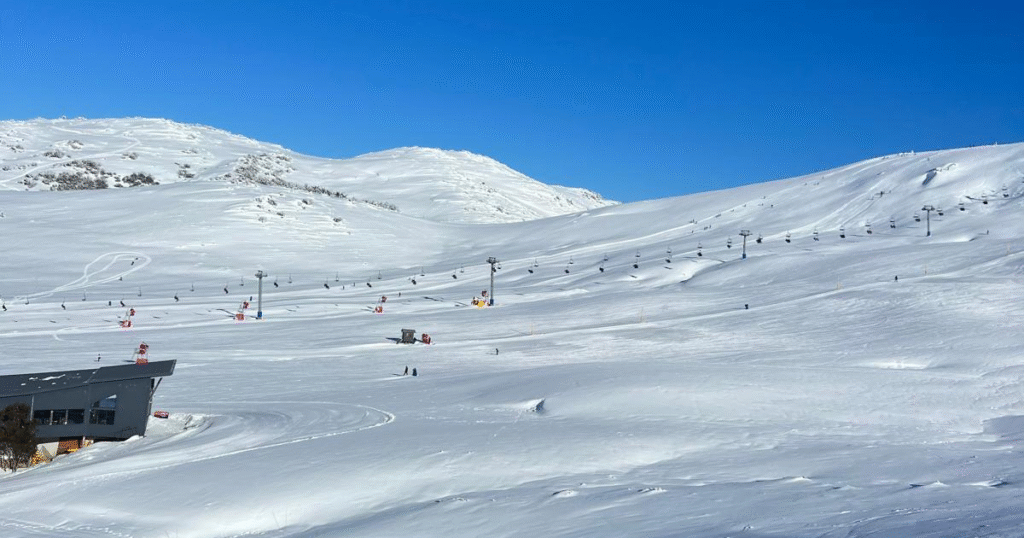
The Falls Creek App is one of the most helpful tools during your stay. It helps you check:
- Live snow cams
- Weather updates
- Open terrain
- Groomed trails
- Lift statuses
- Your own ski tracking
Using the app helps you plan safer, smoother, more comfortable ski days.
Your Safe, Stress-Free Falls Creek Winter Starts Here
Enjoying Falls Creek in winter means feeling confident, prepared, and comfortable every step of the way. Whether you’re visiting with kids, travelling solo, or bringing a whole group of friends, these safety habits keep your holiday smooth and enjoyable.
At Diana Alpine Lodge, I’m here to help guide you through every part of your stay, from arrival to your final run. With a little preparation and awareness, your Falls Creek winter experience will be just as magical as you imagine, and just as safe.
If you want extra peace of mind, these essential travel tips walk you through the small details that make winter travel smoother.
Frequently Asked Questions
Do I need snow chains to go to Falls Creek?
Yes, snow chains must be carried during the declared winter season, even for AWD and 4WD vehicles. Checks are common, especially during fresh snowfall or icy mornings. Chains may not always need to be fitted, but carrying them is essential for safety and compliance. The perfect way to stay ahead of unexpected weather is to hire chains in Mt Beauty and ask staff to confirm the right size and fitting steps before you begin the climb.
How early should visitors arrive to avoid delays or safety issues in winter?
We recommend planning to arrive between 10:00 AM and 2:00 PM. This window provides the safest balance of daylight, manageable traffic, and easier navigation of resort entry and oversnow transport. Visibility can drop later in the afternoon as temperatures fall, especially on Wednesday and Saturday nights when the village gets busier due to night skiing and events. Arriving earlier ensures plenty of time to settle in before evening conditions begin.
What safety steps should guests follow when using oversnow transport?
Oversnow vehicles operate throughout peak winter, and guests should wait only in designated loading zones, as vehicles can approach quietly on compacted snow. Supervising children closely is especially important during busy times such as Thursday nights, when many guests move around the village for dinners and events. Keeping hands free, following staff instructions, and loading gear slowly are simple habits that make oversnow travel safer for everyone.
How can guests keep their devices safe and charged during winter adventures?
Cold weather drains batteries quickly, so phones and cameras should be kept in inner pockets where they stay warm. Bringing a small power bank is a practical backup. Downloading maps and the resort app ahead of time ensures you’re prepared, even if reception is weak. This is especially helpful when you want to capture photos of events, such as the Pete the Snow Dragon parade or nighttime shows, without worrying about your battery dying.
What should guests know about moving around the village after dark?
Nighttime in the village can be peaceful but also slippery in areas where snow refreezes. Using well-lit paths, taking the shuttle, and wearing good-grip footwear help reduce slips. Guests should stay alert around oversnow vehicles and move steadily rather than rushing. On evenings with more activity, the village can feel more alive, so staying aware of foot traffic and event crowds helps you get around safely.
Are there safe dining and hydration habits recommended for winter conditions?
Maintaining hydration is essential in winter, as alpine air is dry and can cause fatigue to set in more quickly. Warm meals spaced throughout the day help maintain energy for outdoor activities. Many guests enjoy heading out for early dinners, often a perfect way to unwind, when the village tends to be quieter after midweek ski sessions. Simple habits, such as carrying a water bottle and planning meal breaks, make days more comfortable.
What additional safety steps should guests take when travelling with young children?
Children often get excited in the snow and can overlook basic safety needs, such as staying warm, drinking water, and walking carefully on icy surfaces. Packing spare gloves, socks, and layers keeps them comfortable throughout the day. It also helps to show them familiar landmarks such as shuttle stops or event areas. Keeping routines simple and clear makes winter travel much easier for families.