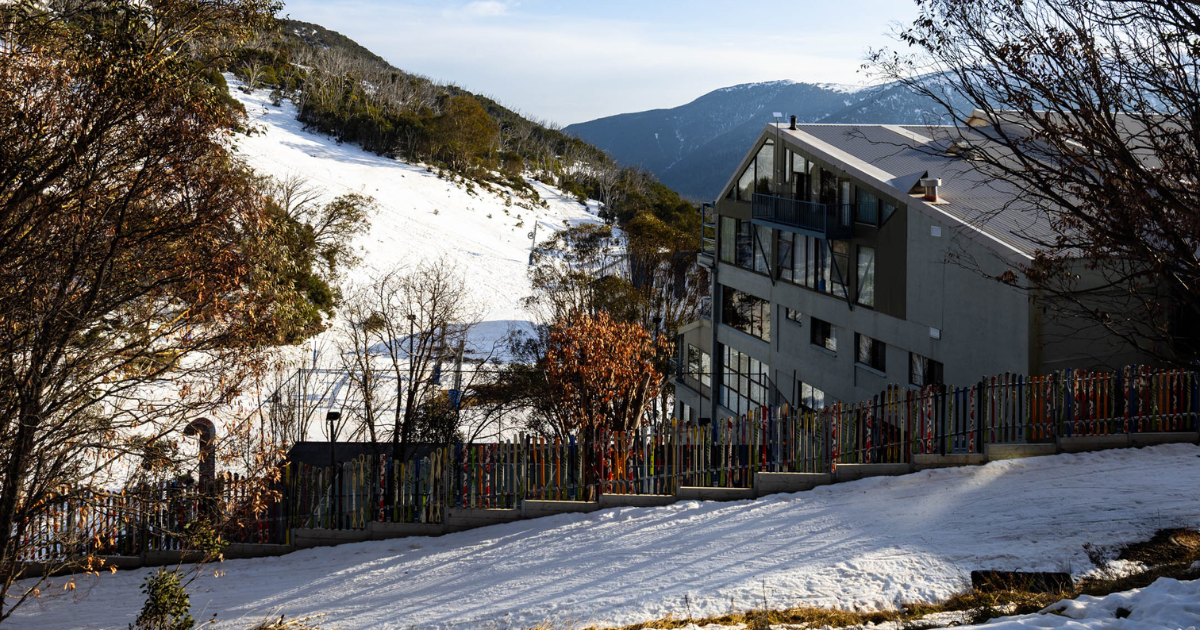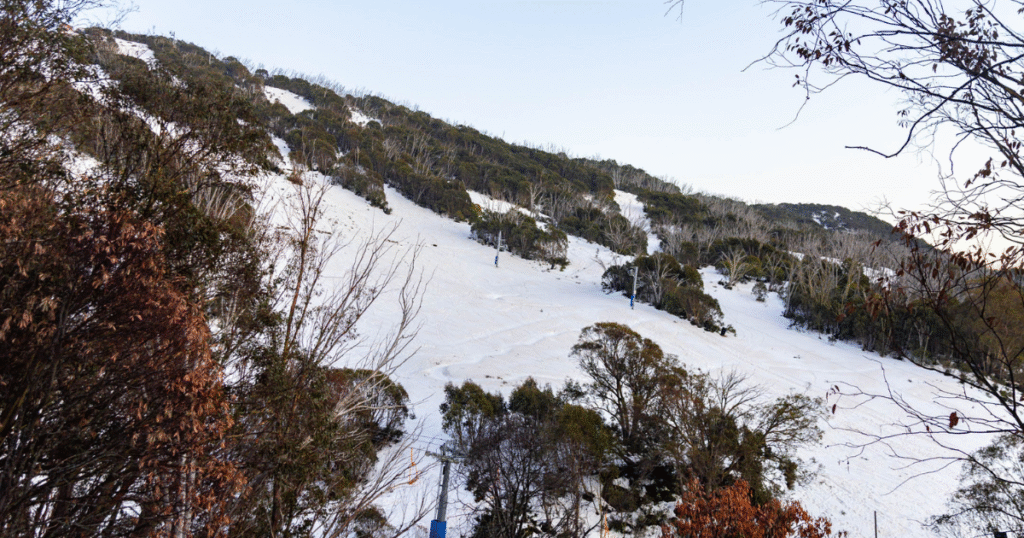
If you’re planning a winter escape, one of the first questions you’ll ask is ‘when does it snow in Falls Creek’. Snow conditions shift throughout the snow season, and knowing the month-by-month patterns helps you plan your stay, organise lift tickets in advance, and decide which Falls Creek Alpine Resort activities suit your style.
Snowfall, weather, and access from Mt Beauty play a big role in how your holiday unfolds, from driving conditions to whether you’ll need snow chains on your vehicle. Whether you prefer deep winter snow, sunny spring days, or mid-season reliability, understanding the seasonal flow helps you protect your time, save money, and avoid common mistakes.
If you’re preparing for your first winter visit, this set of practical tips helps you travel smarter and safer.
Falls Creek Snow Season at a Glance
Falls Creek Alpine Resort’s official snow season begins in June and lasts until early October, with clear village roads maintained wherever possible to enhance access. Early snow depth depends on natural snowfall, as well as the resort’s snowmaking system, and the average snowfall helps determine which Falls Creek runs and resort area facilities open first.
Mid-winter brings the strongest coverage across the slopes. The range of activities, including snowsports school lessons, on-mountain tours, local produce dining, and ski or snowboarding hire, builds quickly once conditions stabilise. Families often plan their trips from mid-July onwards, couples aim for quieter, week-long stays, and experienced skiers explore the mountain during peak season when fresh snow is most reliable.
Month-by-Month Snapshot
| Month | Snow Conditions | Terrain & Runs | Best Suited For | Notes |
| June | Early-season snow, mix of natural falls and snowmaking | Key beginner/intermediate areas open first | Budget travellers, early birds, flexible visitors | Coverage varies; check weather and road updates |
| July | Reliable natural snowfall and colder temps | Majority of frontside terrain available | Families, couples, mid-winter planners | Busy during school holidays; book lift tickets early |
| August | Deepest snowpack, biggest storms, strong coverage | Most runs open across the mountain | Intermediate/advanced riders, powder chasers | Peak season with excellent consistency |
| September | Spring snow, soft afternoons, sunny days | Good early, more variable later | Families, beginners, value seekers | Perfect for warm days + relaxed skiing |
| October | Unpredictable, limited snow but occasional late falls | High alpine only (if open) | Flexible travellers, end-of-season visitors | Best for mixing snow with summer-style activities |
June (Early Season Conditions)
June marks the first month of winter in Falls Creek Alpine Resort, but it often comes with mixed snow conditions. Natural snowfall can be light early on, and rain occasionally impacts coverage, especially when temperatures are still high. Snowmaking helps build a base across popular slopes, giving early travellers access to key runs whilst the resort gradually expands terrain.
June is a great time to visit if you’re looking for budget-friendly lodges, apartments, and hotels, and don’t mind variable snow depths. If you’re driving up from Mount Beauty, keep an eye on the weather and road conditions because you may need snow chains depending on the day. For many visitors, June offers a relaxed start to the season, with the freedom to explore the village and quieter access to snowsports schools and early winter activities.
Want to avoid the common snow-travel slip-ups? This quick read walks you through what to watch out for.
July (Peak Snow Arrives)
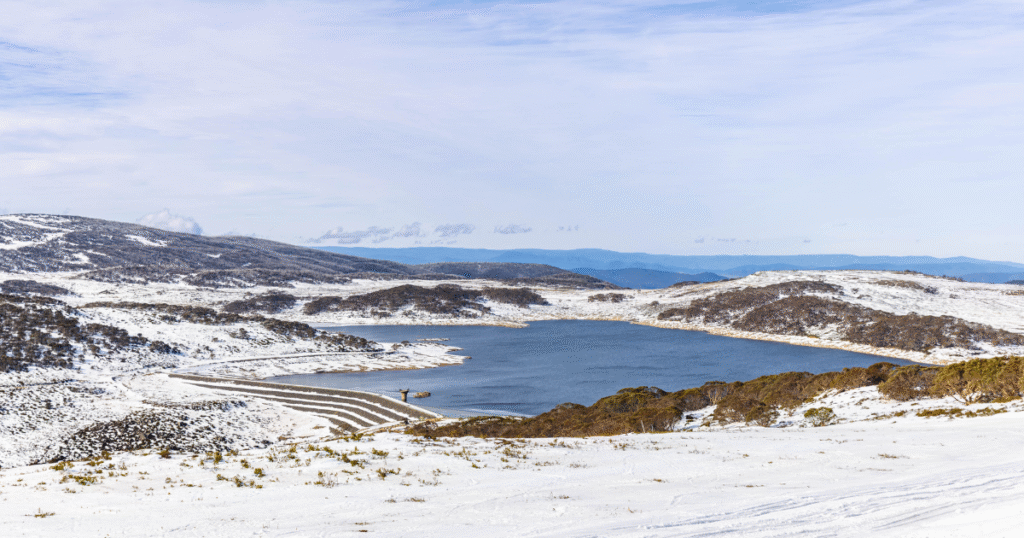
July is when Falls Creek usually settles into consistent winter patterns. Snowfall becomes more regular, overnight temperatures stay low, and more terrain opens, creating strong conditions for skiing, snowboarding, and lessons at the snowsports school. This is also when the village atmosphere comes alive, especially during mid-July school holidays.
It’s one of the best times to visit if you want reliability, with fresh snow on the mountain and stable terrain across the resort. Since July is peak season, we recommend booking lift tickets and accommodations in advance, especially for week-long stays.
If you prefer deeper coverage, the mid-to-late July window rarely disappoints. Access from Mt Beauty is usually straightforward, but the weather can shift quickly, so plan ahead and bring gloves, warm layers, and check the forecast often.
Once you know when to come, here’s what you can do, on and off the slopes.
August (Deep Winter & Consistent Coverage)
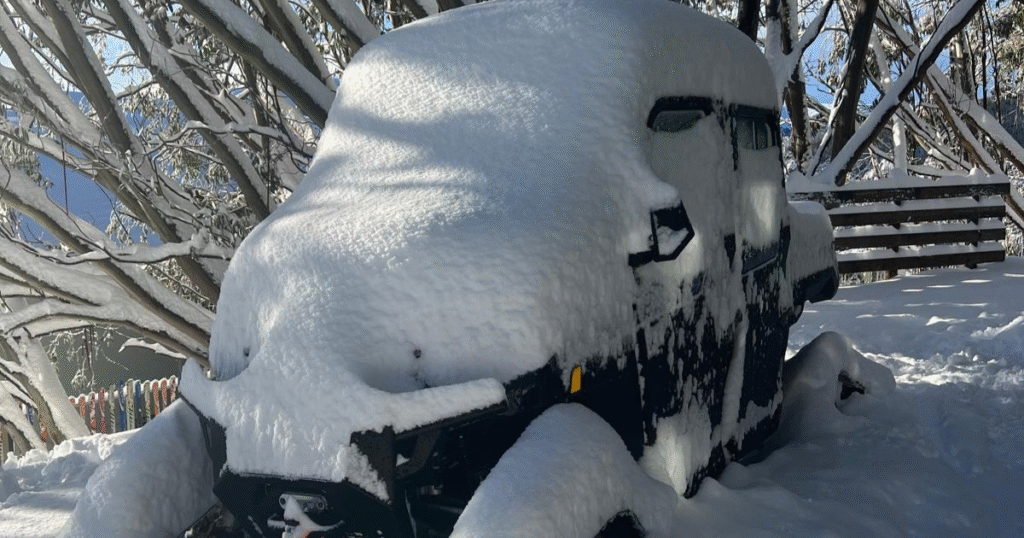
August is the strongest month of the entire snow season. Snowfall is at its peak, snow depth across the mountain is high, and almost all Falls Creek runs are open. Cold weather, southern storms, and consistent fresh snow create ideal conditions for confident riders and returning guests.
This is when many visitors use their Epic Australia Pass to make the most of the season. Powder days, crisp sunlit mornings, and great visibility combine to create some of the best skiing in Australia. Because August combines sun, deep snow, and perfect terrain, it’s a popular month to indulge in longer ski days, private tours, or exploring remote hut areas.
Weekends can be busy, so mid-week visits give more freedom across the slopes. If winter perfection is your priority, August is the month you don’t want to miss.
For a clearer picture of winter conditions, this guide explains how to move around the village and mountain safely.
September (Spring Snow & Warmer Days)
September brings soft spring snow, sunny afternoons, and a more playful, relaxed feel across the resort area. Snow depth remains solid early in the month, although snow conditions shift throughout the day: firmer in the morning and softer by the afternoon. The village comes alive with events, great food from local produce, and a gentler pace that suits families and beginners.
September is the best time for longer, comfortable days that combine skiing with activities like hiking, cycling, and exploring the resort without the winter intensity of peak season. Whilst advanced riders may prefer winter months, many guests love the flexibility that September brings, especially those visiting for value, sunshine, or quieter slopes.
October (End of Season, But Still Possible)
October marks the end of the Falls Creek snow season, and snowfall varies greatly year to year. Some seasons conclude with fresh centimetres of snow across higher terrain; in others, warm weather quickly reduces coverage. Limited runs usually operate, and conditions can shift from firm in the morning to very soft by lunchtime.
If you’re driving from Mt Beauty, access to the resort is usually easy, with clear village roads and no need for snow chains. October suits travellers who prefer sunshine, quiet slopes, and a casual end-of-season experience. It’s also great for combining snow activities with other alpine pursuits, such as kayaking, sailing on Rocky Valley Lake, or taking short, scenic hikes around the mountain.
How Weather Patterns Influence Falls Creek Snow
Falls Creek’s snowfall is shaped by altitude, wind direction, and regular cold fronts from southern Victoria. Elevation helps protect snow conditions across the higher slopes, and snowmaking ensures reliable coverage even during warmer years.
Rain, sunny breaks, and shifting wind can all influence snow depth from day to day. Because weather changes fast in the Australian Alps, checking the forecast and road conditions is essential, especially for visitors driving from Mt Beauty in vehicles that may require snow chains.
Understanding these patterns helps you plan around storms, save time, and avoid delays. Simply put, mid-winter brings the heaviest snow; spring brings warmth and flexibility.
Who Should Visit When? (Choosing the Best Month for You)
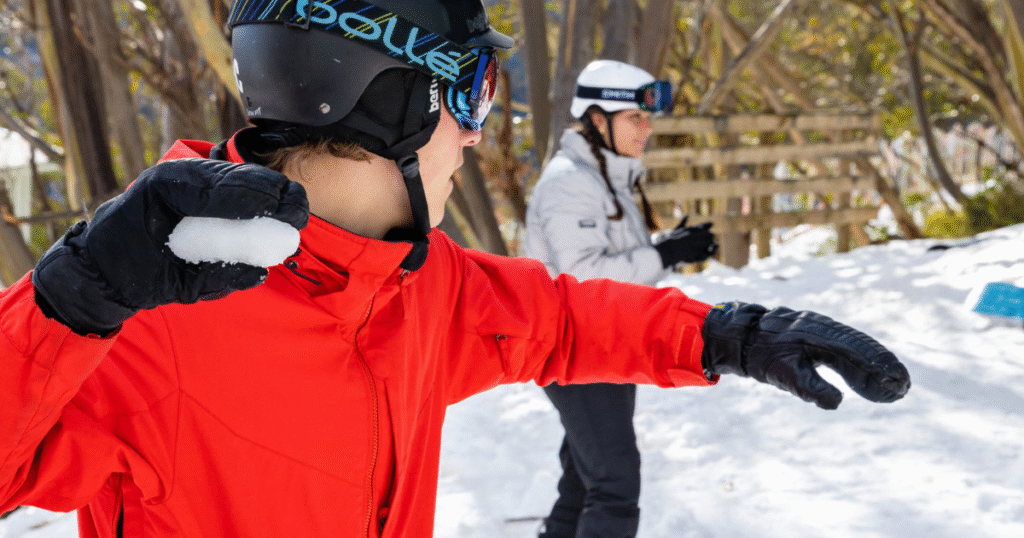
Families tend to prefer mid-July through August, when snow depth is at its strongest, and snowsports schools run a full range of lessons.
- Couples often choose quieter mid-week stays in July and August, combining skiing with village dining and local produce experiences.
- First-timers benefit most from July to September, when snow conditions are predictable, and beginner areas are well-groomed.
- Guests seeking value or sunshine often book trips in June or September, combining skiing with mountain biking, hiking, cycling, and exploring Victoria’s alpine activities beyond the slopes.
- Repeat visitors know exactly how to plan: August for deep winter snow, early June for opening excitement, or late September for sunny days that suit relaxed spring skiing.
If you’re planning your stay around snow depth, this complete accommodation guide helps you choose the right location.
Planning Your Winter Trip
So, when does it snow in Falls Creek? Snowfall builds through June, strengthens in July, peaks in August, and shifts into spring conditions by September. Each month offers something different: sun, storms, fresh snow, or relaxed spring days.
Matching your trip to the month helps you make the most of the mountain, the village, and your time in Australia’s alpine region. If you prefer guidance on dates, conditions, access from Mt Beauty, or accommodation options, please don’t hesitate to ask our team at Diana Alpine Lodge.
Frequently Asked Questions
Does it snow in Falls Creek?
Yes, Falls Creek gets reliable snowfall each winter and maintains strong snow conditions through snowmaking and natural storms. Snow begins as early as May, but the official season starts in June. The average snowfall builds quickly through July and August, delivering excellent depth across the slopes.
When’s the best time to go to Falls Creek?
The best time depends on your goals. For the strongest coverage, August is unmatched. For reliable mid-winter snow, July is ideal. Families often visit during school holidays, whilst spring travellers prefer September for sunshine and flexibility. Booking in advance helps secure better accommodation and lift ticket prices.
How much snow did Falls Creek get in 2025?
Falls Creek recorded strong snowfall across mid-winter 2025, with several July and August storms providing excellent coverage. The season maintained a solid cm base across key runs, supported by snowmaking during lighter periods. Conditions were especially consistent through peak season.
What is the snowiest town in Australia?
Cabramurra is historically considered the snowiest permanently inhabited town in Australia, though alpine resorts like Falls Creek, Hotham, and Perisher receive much higher snowfall overall due to their elevation and mountain exposure.
Can I ski in September at Falls Creek?
Yes, September is popular for soft spring snow, warmer days, and sunny afternoons. Snow depth is strongest early in the month, making it a great time for families, beginners, and guests who prefer a relaxed, flexible holiday.
Is August always the best month for snow?
August traditionally has the most consistent snowfall and deepest snowpack. While the weather varies each year, August usually provides the best combination of fresh snow, sun, and access to the full range of Falls Creek runs and winter activities.
Does Falls Creek have good early-season snow?
Early-season snow in June depends on natural falls and temperature, but snowmaking ensures key slopes open early. Visitors should plan ahead, check weather conditions, and prepare for mixed early-season coverage. Late June usually sees better snow depth.